
digital divide
The tech divide, and why it is widening
The digital divide is the gap in access to technology between those who have it and those who do not. In the age of AI that gap is not just about devices. It is about who gets to build the future.
In short
What the digital divide is
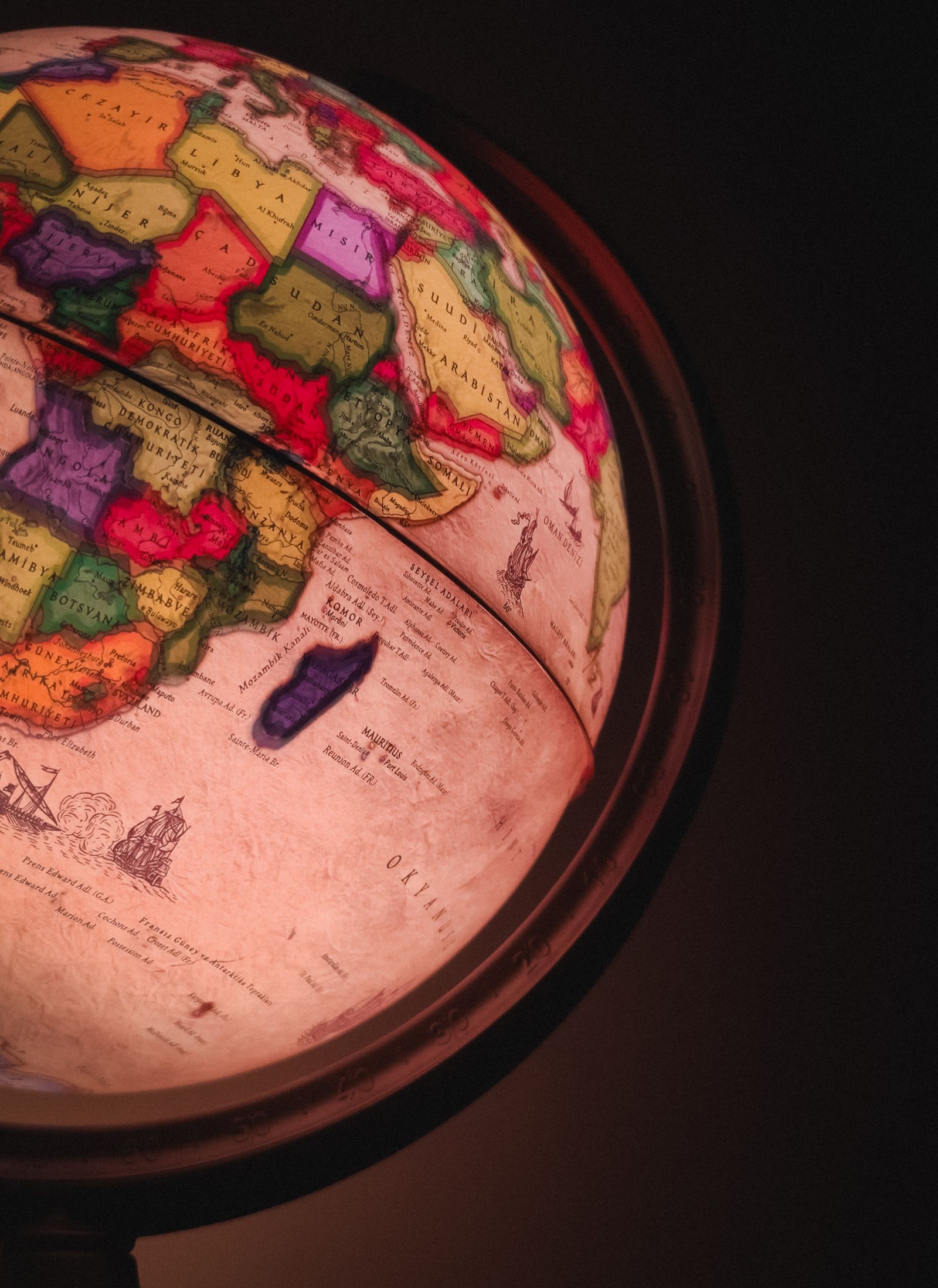
The digital divide is the gap between people and communities with reliable access to modern technology and those without it. It shows up as missing devices, unreliable power and internet, and a lack of the tools and training that turn access into skill. The divide runs between countries, and it runs within them, but its sharpest edge is between the Global North and the Global South.
AI is widening this edge. The Global North develops frontier models, accesses them first, and shapes where the technology goes. Much of the Global South provides the invisible labour behind AI, labelling data and training algorithms, without ever accessing the tools it helps release. Same effort, very different power.
In short
The divide, and the belief behind our answer to it
At Tembi Labs we start from a simple belief: access to technology should be a human right, not a privilege of geography or income. The digital divide is what happens when that right goes unmet. It is not a natural fact. It is a set of choices about where devices, connectivity and modern AI tools go, and those choices can be made differently.
Read that way, bridging the digital divide stops being a vague ambition and becomes a concrete task. Put modern devices where the talent already is. Add reliable access and sponsored AI tools. Grow the digital literacy skills that turn access into creation. Do that at scale, and the gap narrows in ways a signal alone never could.
On the ground
The Tech Divide
The digital divide is the gap in access to technology between the Global North and South. Here is what it looks like in the age of AI, and how Tembi narrows it.
Compare
The tech divide of the Global North & South
| The Global North | The Global South |
|---|---|
| Research and development of the newest AI models. The Global North develops frontier models, accesses them, and shapes the future of tech and AI. | Active training, but no equity. Data workers in the Global South are the invisible backbone of the AI industry. They label data, train algorithms and filter content, without ever accessing the AI they help release. |
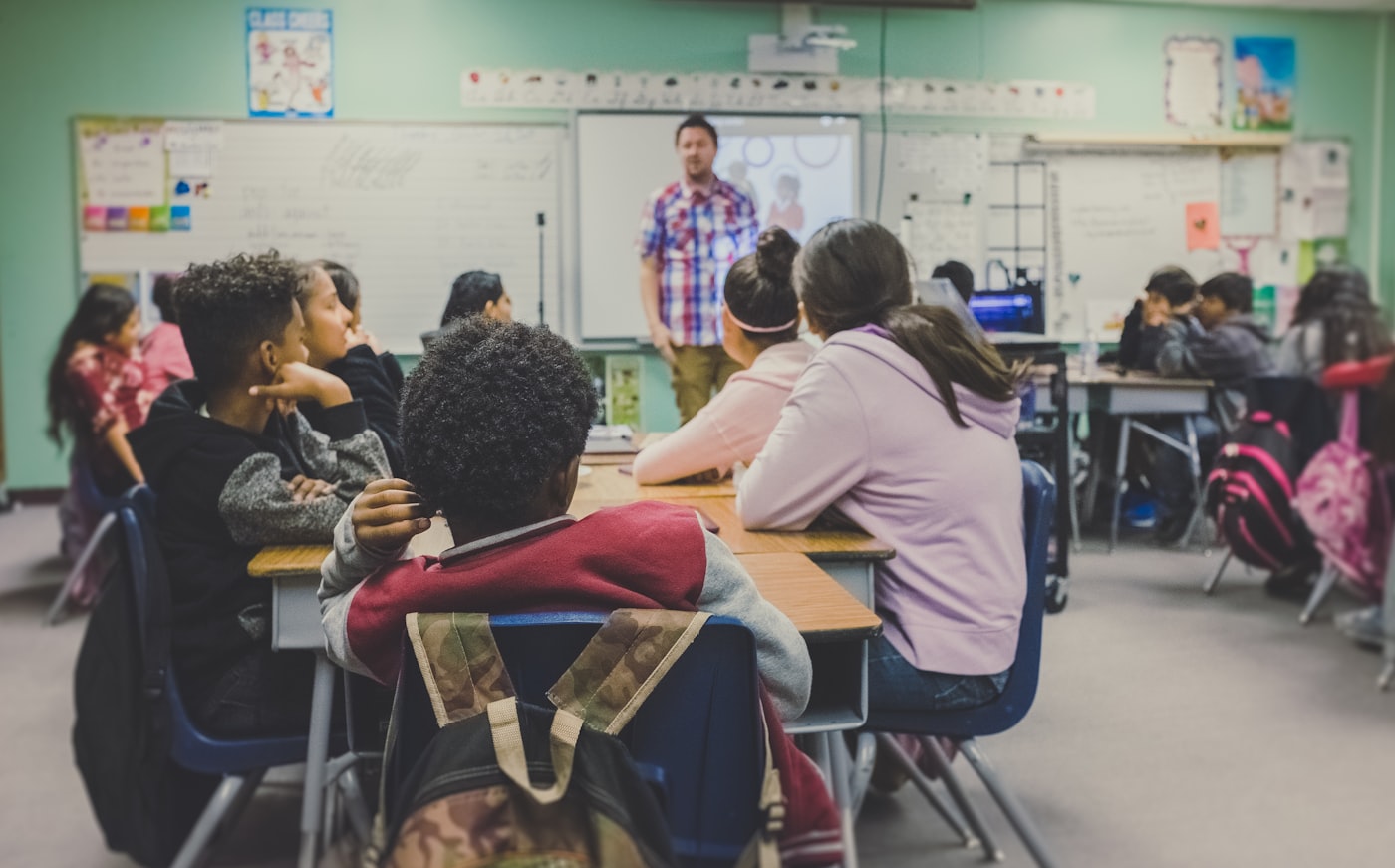
| Abundance of cutting-edge devices. Easy access to modern technology and multiple devices per person, students included. | Limited access, outdated devices and e-waste. Smartphones are often the only entry point to digital tools. Students end up writing their essays on mobiles, which limits opportunity and long-term AI access. |
| Fruition of science, education and entrepreneurship. These factors combine into strong research, digital literacy and real economic value. | Scarce tech resources, great outcomes. The same talent, limited by lack of access, still shows extraordinary growth with the few resources it has. With more access it would be groundbreaking. |
In short
Why the divide is not a talent gap
It is easy to read a divide like this and assume the difference is ability. It is not. The talent, the ideas and the drive are evenly distributed. What is not evenly distributed is access. Give the same mind a modern laptop, reliable internet and sponsored AI tools, and the output changes overnight.
That is why Tembi treats the divide as an access problem, not a charity case. We do not run charity. We activate talent that is already there, and we widen the access that has been holding it back.
In short
The three layers of the divide
The tech divide is not one gap but three, stacked on top of each other. The first is hardware: who has a modern laptop and who shares a single phone. The second is connectivity and power: whether the internet and electricity hold long enough to get real work done. The third, and now the sharpest, is AI: who develops and directs frontier models, and who only supplies the labour behind them.
Each layer feeds the next. Without a capable device, you cannot practise the skills. Without the skills, the newest AI tools stay out of reach even when a connection exists. This is why technology access in developing countries has to be tackled as a whole rather than one piece at a time, and why Tembi pairs devices, access and literacy in the same programs instead of treating them as separate problems.
How we work
How Tembi narrows the divide
- 01
AI hackathons at universities across the Global South
- 02
Partnering with companies that donate refurbished devices
- 03
Building computer rooms so a whole campus gains daily access
- 04
Growing digital and AI literacy through Chapter Leads and AI Champions
- 05
Reporting every result in the open
“The divide is not a difference in talent. It is a difference in access. Access is the part we can change.”
Next step
Help close the gap
Companies, universities and supporters each hold a piece of the answer. Find yours.
Book a call
Host an AI hackathon or become a partner
Pick a slot that works for you. We will walk you through the next steps, from first call to your first event.
Booking calendar
To load the booking calendar, please accept functional cookies.
FAQ
Questions, answered.
The digital divide is the gap in access to modern technology between people and communities that have it and those that do not. It covers devices, power, internet, and the tools and training that turn access into skill.
The Global North develops and accesses frontier AI and enjoys an abundance of devices. Much of the Global South supplies the labour behind AI and faces limited access and outdated devices, despite the same talent.
It can. Those who develop and access AI first gain a compounding advantage, while those who only provide the labour behind it fall further behind. Access to the tools, not just the labour, is what closes the gap.
No. Talent, ideas and drive are evenly distributed. Access is not. Give the same person modern tools and reliable connectivity, and the difference in output disappears.
Through AI hackathons, refurbished device donations, computer rooms, and programs that grow digital and AI literacy, all reported openly. We treat the divide as an access problem, not charity.
Companies can donate devices or sponsor a Corporate Challenge Day, universities can host hackathons, and individuals can volunteer or support the program. Each closes part of the gap.
A stack of access gaps: fewer modern devices, less reliable power and internet, and least access of all to frontier AI tools. Talent is spread evenly across the world. These access gaps are not, and they are what the divide really measures.
By tackling hardware, connectivity and skills together rather than one at a time. Devices without training stall, and training without devices goes nowhere. Tembi pairs refurbished devices, computer rooms and hands-on AI hackathons so access turns into real digital literacy skills. ---
Keep exploring