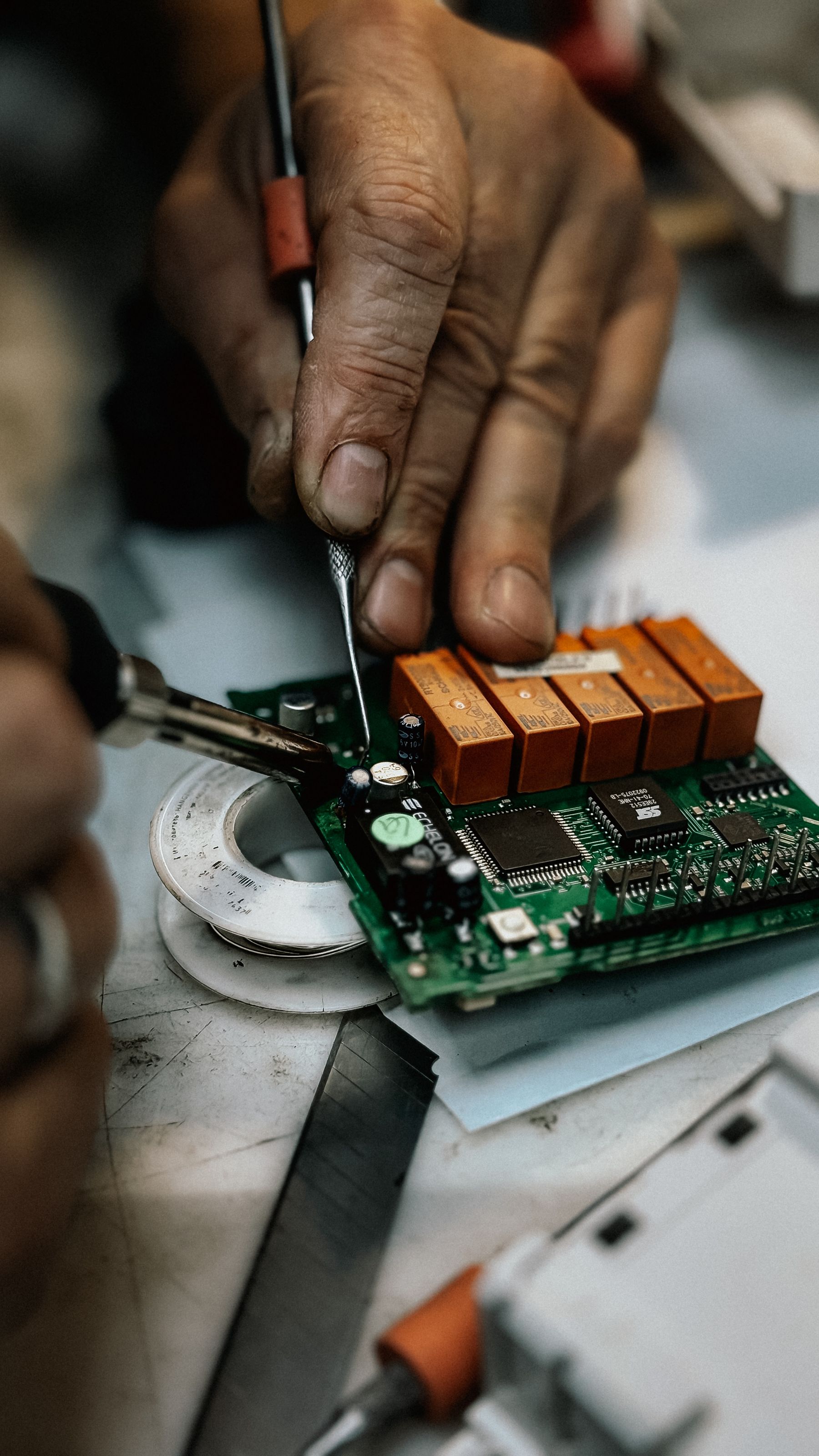
A refurbished laptop is a used device that has been tested, repaired if needed, securely wiped, and restored to reliable working condition. Enterprise laptops are especially well suited to this, because they are built to last and are usually retired long before they wear out. Refurbishing and donating them cuts electronic waste and puts a capable machine into the hands of someone who needs one. Two problems, one solution.
Companies replace laptops on a fixed cycle, often every three to four years. The devices they retire are frequently far from finished. That mismatch is an opportunity.
Key takeaways
- Refurbished enterprise laptops are tested, repaired, securely wiped, and restored, which cuts e-waste and closes the device gap at the same time.
- Business-grade laptops are built to last, so devices retired on a three-to-four-year cycle are often still highly capable machines.
- A trustworthy refurbishment process always includes certified data erasure; skipping it turns refurbishment into a privacy risk.
- Tembi Labs turns donated laptops into university computer rooms, earned through a hackathon rather than simply handed out.
Why refurbished beats new for this purpose
For closing the device gap, refurbished enterprise hardware often makes more sense than buying new:
- Built to last. Business-grade laptops use sturdier components and are designed for years of daily use.
- Cost-effective. Refurbishing extends the life of a device already made, at a fraction of the cost of new.
- Lower footprint. Most of a laptop's environmental impact comes from manufacturing. Extending its life is one of the greenest choices available.
- Capable enough. A well-specified business laptop from a few years ago comfortably runs modern software and AI-native tools.
New is not always better. For a student who needs to build and learn, a solid refurbished laptop is transformative regardless of its release year.
Refurbished vs. new, at a glance
| Factor | Refurbished enterprise laptop | New laptop |
|---|---|---|
| Cost | A fraction of the price of new | Full price |
| Environmental footprint | Low, since manufacturing impact is already spent | High, as manufacturing is most of a laptop's footprint |
| Durability | Business-grade components built for years of use | Varies widely by model |
| Ready for modern/AI-native tools | Yes, if well-specified | Yes |
How refurbishment works
A proper refurbishment process runs through clear stages:
- Collection. Devices are gathered from companies retiring hardware in bulk.
- Data erasure. Every drive is securely wiped to a recognised standard, and the erasure is certified. This protects the original owner.
- Testing and repair. Each device is checked and, where needed, repaired or upgraded with parts.
- Restoration. A clean, supported operating system is installed and the device is verified as fully working.
- Placement. The refurbished laptop is delivered to where it will be used.
Skipping the data-erasure stage is not an option. It is the difference between responsible refurbishment and a privacy incident.
The e-waste angle
Electronic waste is one of the fastest-growing waste streams in the world, and much of it is hardware that still works. Every laptop given a second life is one fewer added to that stream and one fewer new device that has to be manufactured. Refurbishment turns a disposal problem into a supply of capable machines. Handled this way, IT asset disposal stops being a cost line and becomes a source of working tools.
"Refurbishment turns a disposal problem into a supply of capable machines."
A realistic example: from a retired fleet to a computer room
Picture a mid-sized company that swaps 200 laptops on its usual refresh cycle. The machines are three years old, scratched, and completely capable. Instead of paying a disposal firm, the company hands them to a refurbisher. Every drive is wiped to a recognised standard and certified, a supported operating system goes back on, and weak batteries are replaced. A few months later, forty of those laptops sit in a university computer room in the Global South, running AI-native tools for students who had shared a single lab before. The company reduced its e-waste, gained a clean sustainability story, and turned a cost into capability for someone else.
What to check before you donate
Corporate laptop donation goes smoothly when a few things are clear up front:
- Confirm the refurbisher provides data erasure certification, not just a promise.
- Agree who covers logistics and any repair costs.
- Ask where the devices land and whether their use is tracked.
- Keep a simple record for your own sustainability reporting.
Getting these straight early avoids the two things that derail donations: a data-privacy worry, and hardware that disappears without a trace.
How Tembi Labs uses refurbished devices
Tembi Labs is a team-led initiative built on the belief that access to technology should be a human right, not a privilege of geography or income. It builds refurbished enterprise laptops into computer rooms at universities across the Global South. Devices are earned, not simply handed out: a hackathon first proves local demand, then the hardware is placed with local owners and checked in after six months, so it lasts and is used. Established refurbishers such as Computer Aid International have shown for years that this model works at scale.
If your company is retiring laptops, that hardware can become a computer room instead of e-waste. The donation cuts your disposal burden, supports a clear sustainability story, and puts capable devices where talent is waiting for access.
Keep exploring